
The software utilized in the complex process of developing the printer primarily consisted of Repetier Host and Arduino IDE, both of which were critical to the advancement and functionality of the device. Repetier Host facilitated precise control over the printing procedure, allowing for meticulous adjustments and real-time monitoring of the printer’s performance. Simultaneously, the Arduino IDE provided the necessary programming environment to customize the printer’s firmware, thereby ensuring optimal operational efficiency. The integration of these two powerful tools not only resulted in a user-friendly experience but also significantly enhanced the overall quality and accuracy of the printed outputs, ultimately establishing the project as a notable success.
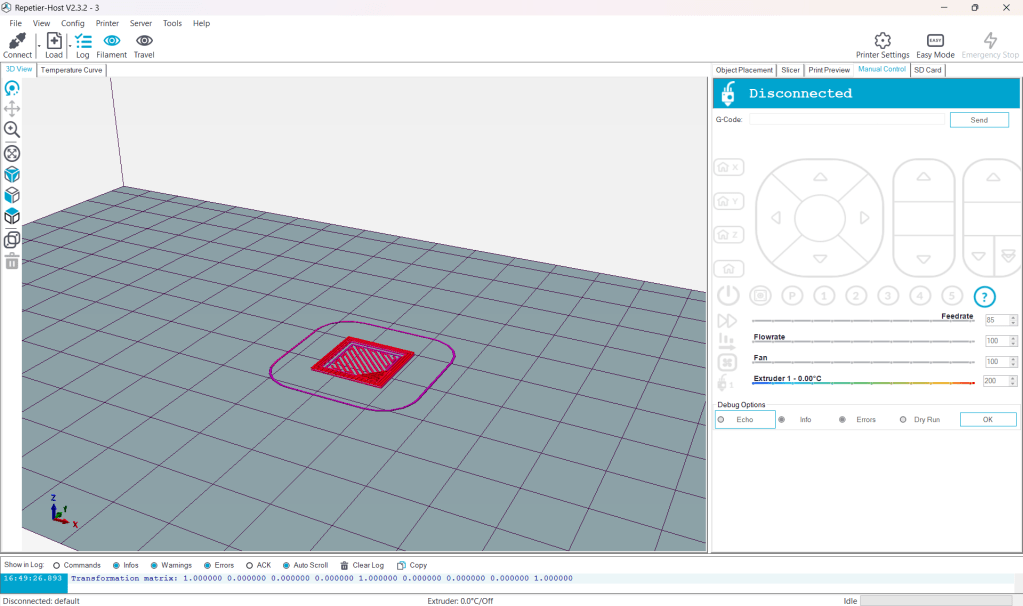
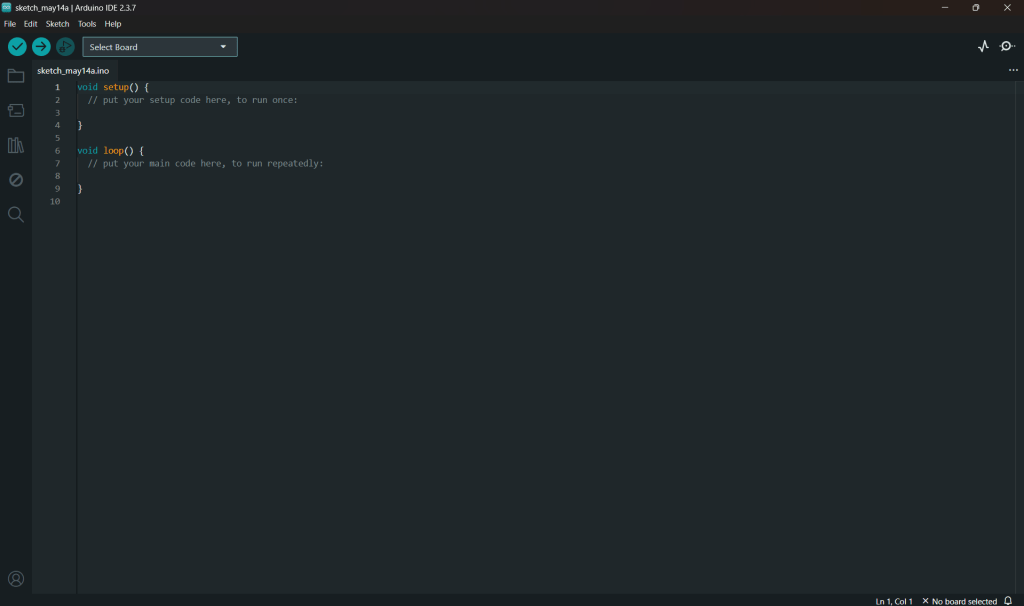
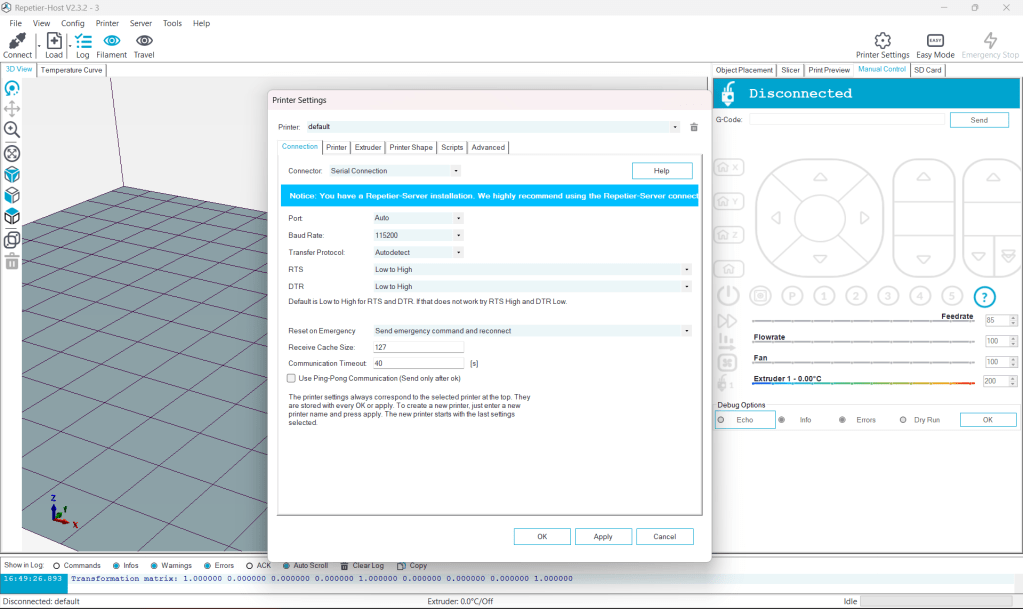
The installation process began by installing a specific script into the Arduino IDE, which is a crucial step for enabling the necessary functionalities for our project. Following this initial setup, I proceeded to launch Repetier Host, where I configured various attributes and parameters to optimize performance. This involved adjusting settings such as temperature control, print speed, and bed alignment, ensuring that every aspect was tailored to meet the unique requirements of my 3D printing endeavor. By taking the time to fine-tune these configurations, I aimed to enhance the overall efficiency and reliability of the printing process, ultimately leading to higher quality results.
 3D PRINTER